


Which Exterior Cladding Should I Use on My Home? Let’s Break It Down
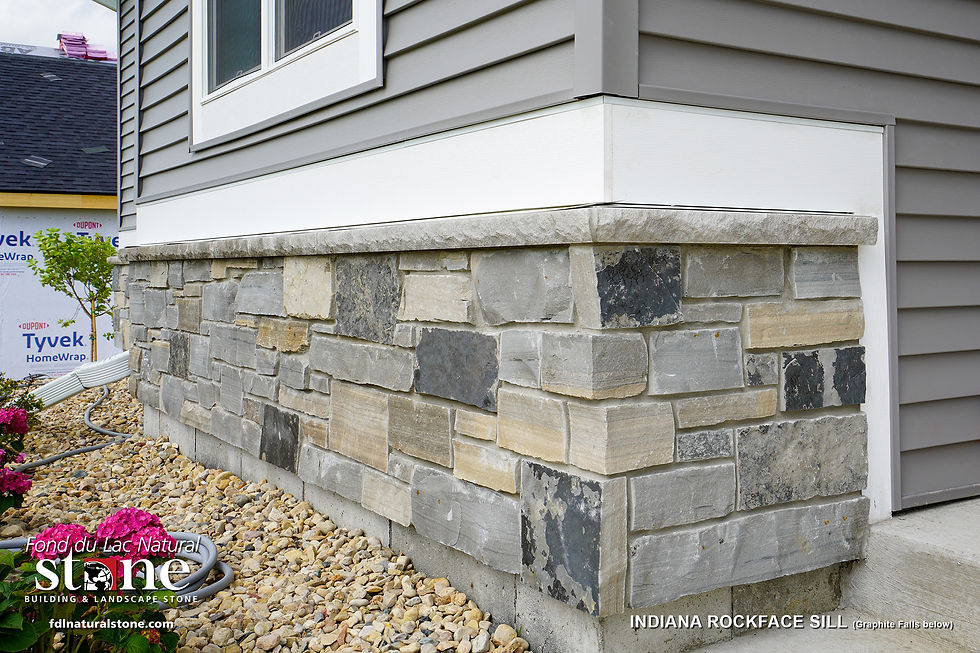
We’re back with some useful information to help you decide which exterior cladding is right for your home.
When choosing cladding, there are a few important factors I always recommend considering: durability and lifespan, performance in our harsh climate, ongoing maintenance, and the potential return on your investment.
To make the decision a little easier, we’ve broken down three popular options — masonry, stucco, and siding — and compared how they stack up.
1. Durability and Lifespan
Masonry: Masonry can last 100 years or more with minimal major upkeep. It stands up extremely well against severe weather, rot, pests, and everyday wear, making it one of the most durable exterior cladding options available.
Siding: Depending on the material, siding can typically last 20 to 50 years. Vinyl and wood siding can be susceptible to fading, warping, cracking, and damage from severe weather or impacts.
2. Weather Performance and Insulation
Masonry: Masonry provides excellent thermal mass, helping regulate indoor temperatures throughout the year. It can help keep your home cooler during the summer and warmer during the winter while also providing excellent sound insulation.
Stucco: Stucco creates a solid, seamless exterior that can provide good protection against wind and rain. Proper installation and sealing are critical, however, as moisture intrusion can cause problems over time.
Siding: Siding is installed using overlapping panels and seams, which can leave areas vulnerable to wind-driven rain if improperly installed or damaged. It also generally provides less natural sound insulation than masonry.
3. Long-Term Maintenance
Masonry: Maintenance requirements are minimal. Occasional cleaning and periodic inspection of mortar joints are generally all that's required, and masonry typically does not need to be painted.
Stucco: Stucco requires regular inspections and occasional sealing or repairs. Cracks should be addressed quickly to prevent moisture problems, and matching existing stucco during repairs can sometimes be difficult.
Siding: Maintenance depends heavily on the material. Vinyl siding requires periodic cleaning and can fade over time, while wood siding typically requires more frequent staining, sealing, or painting to maintain its appearance and protect it from the elements.
4. Return on Your Investment
Masonry: Masonry comes with the highest upfront cost of the three options, but that investment can pay off in a big way. Statistics show masonry can deliver an impressive 208% return on investment, thanks in large part to its exceptional durability, long lifespan, minimal maintenance requirements, and strong curb appeal.
Stucco: With a relatively low upfront cost, stucco can be an attractive option for homeowners working within a tighter budget. Statistics suggest a typical 65%–80% return on investment, with its shorter lifespan and ongoing maintenance requirements important factors to consider when evaluating its long-term value.
Siding: The initial cost of siding varies considerably depending on the material. Vinyl tends to be more cost-effective, while wood and other premium siding options can carry a much higher price tag. Depending on the material selected, statistics show siding can produce approximately a 60%–114% return on investment. Its shorter lifespan compared with masonry, along with the maintenance associated with certain siding materials, should also be factored into the overall cost.
So, Which Cladding Should You Choose?
Ultimately, the right exterior cladding depends on your budget, the look you want, and how much maintenance you're willing to take on over the years.
But when you compare durability, lifespan, weather performance, maintenance, and potential return on investment, we think one option stands above the rest.
For your next exterior cladding project, make the choice built to last. Choose StoneRox.


Comments